



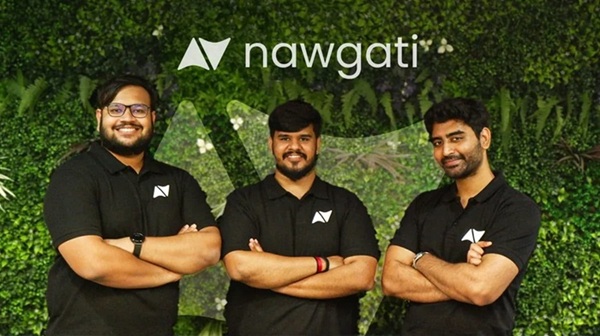
New Delhi: Indraprastha Gas Limited (IGL) has introduced an AI-powered CNG cylinder safety verification system developed by Nawgati at selected filling stations in Delhi, aiming to automate mandatory hydrotest compliance checks and prevent vehicles with expired or invalid cylinder certifications from refuelling. The initiative was formally inaugurated at IGL’s Shantipath CNG station by Sanjay Kumar Singh, Joint Chief Controller of Explosives (North Circle), Petroleum and Explosives Safety Organisation (PESO).
The rollout forms part of IGL’s broader effort to strengthen safety standards across its CNG retail network following regulatory directives from PESO. Nawgati’s technology combines automatic vehicle identification, real-time certification verification and station-level alerts to identify non-compliant vehicles before they reach the dispensing point.
Initially deployed at key IGL stations in the capital, the system is expected to expand to additional outlets across Delhi-NCR.
Three-Layer Verification System to Improve CNG Safety
At the centre of the initiative is Nawgati’s three-pronged hydrotest validity verification framework, designed to reduce dependence on manual inspections while improving the identification of vehicles with expired cylinder certifications.
The technology integrates with the online PESO portal and uses three interconnected platforms to verify compliance at different stages of the refuelling process.
The first is the Nawgati Fuelling App, a consumer-facing application that allows vehicle owners to check their CNG cylinder hydrotest status and digitally display their compliance credentials before visiting a filling station. The process is designed to resemble an airport web check-in, allowing motorists to confirm their certification status in advance.
The second component, the Aaveg Compliance App, is intended for station employees and queue marshals. It enables handheld, real-time verification of vehicles waiting to refuel, allowing staff to identify potential certification issues before a vehicle reaches the dispenser.
The third component is the Aaveg System, which uses Nawgati’s proprietary vehicle recognition technology to automatically scan registration plates at filling stations and display the corresponding hydrotest status on station-mounted LED screens.
Together, the three systems are intended to provide multiple layers of verification, reducing the possibility of vehicles with invalid certifications going undetected.
Automated Alerts to Prevent Refuelling of Non-Compliant Vehicles
According to IGL, vehicles with expired or invalid cylinder certifications will trigger automated alerts through handheld devices, LED displays and public announcement systems.
Station personnel can then stop the affected vehicles from refuelling until their compliance status is verified.
The automated verification process is designed to address a longstanding operational challenge at busy CNG stations, where staff must balance safety inspections with managing queues and maintaining fuel dispensing efficiency.
For motorists, the new arrangement could mean an additional digital checkpoint before refuelling, although it is intended to make the verification process more systematic rather than create another lengthy queue.
Hydrotesting is a critical safety procedure used to assess the structural integrity of pressurised cylinders. Ensuring that CNG cylinders carry valid testing certifications is an important part of reducing safety risks during vehicle operation and refuelling.
IGL Launches Wider Safety Awareness and Enforcement Measures
Alongside Nawgati’s digital verification system, IGL has introduced several additional safety initiatives aimed at strengthening compliance across its retail network.
These include a public awareness campaign covering FM radio, newspapers, social media and informational posters at CNG stations. The campaign aims to educate vehicle owners about timely cylinder hydrotesting and safe refuelling practices.
IGL has also introduced a strengthened Safety Management Action Plan focused on operational accountability, identifying illegal cylinder modifications and improving the enforcement of safety requirements.
The plan incorporates real-time alerts across handheld devices, LED screens and public announcement systems, enabling station employees to intervene when vehicles fail mandatory compliance checks.
The combined approach seeks to address both sides of CNG safety: improving awareness among vehicle owners while equipping filling stations with tools to enforce the regulations.
Nawgati Highlights Role of Automation in Fuel Retail Safety
Ambuj Singh, Senior Vice President (Business and Operations), Nawgati, said the initiative demonstrates the growing importance of combining technology with regulatory enforcement at fuel retail facilities.
“Fuel retail safety relies on robust enforcement and friction-free technology. Having senior leadership inaugurate this rollout at IGL Shantipath is a testament to the urgency and impact of our solution. By combining our proprietary technology, the Aaveg Compliance app for queue marshals, and consumer-facing transparency through the Nawgati app, we are helping operators eliminate manual blind spots, prevent unverified cylinders from refuelling, and set a new benchmark for smart infrastructure safety.”
The company believes that automated vehicle recognition and integrated compliance checks can help fuel retailers minimise inspection gaps, particularly at high-traffic stations where manually checking every vehicle can be operationally challenging.
Digital Safety Infrastructure Gains Importance as Natural Gas Usage Expands
The initiative also comes against the backdrop of India’s broader ambitions to increase the contribution of natural gas to 15% of the national energy basket.
As natural gas infrastructure expands, maintaining consistent safety standards across a growing network of filling stations is becoming increasingly important.
IGL’s leadership also highlighted the relevance of robust digital safety infrastructure as the energy sector prepares for potential future hydrogen blending.
While the current deployment focuses on CNG cylinder hydrotest compliance, the underlying emphasis on automated checks, traceability and real-time monitoring reflects a broader movement towards technology-assisted safety management in fuel retail operations.
Nawgati Expands Beyond Fuel Discovery Services
Founded in 2019 by Vaibhav Kaushik, Aalaap Nair and Aryan Sisodia, Nawgati initially focused on providing motorists with fuel station information and improving the overall refuelling experience.
The company has since expanded into fuel retail data and technology solutions, developing systems intended to improve station operations, reduce congestion and support fuel availability management.
Its latest deployment with IGL represents an extension of those capabilities into regulatory compliance and operational safety.
By combining consumer-facing applications with automated number plate recognition and staff-operated verification tools, Nawgati is seeking to make mandatory cylinder certification checks a more integrated part of the refuelling process.
For IGL, the immediate challenge will be translating the technology into consistent enforcement across its growing network of CNG outlets.
The wider significance of the initiative lies in its potential to make safety compliance less dependent on individual manual checks and more systematic across fuel retail operations. As India’s natural gas infrastructure expands, the effectiveness of such systems will ultimately depend not merely on their ability to identify non-compliant vehicles, but on how reliably filling stations act on those alerts.