India’s electric vehicle (EV) journey has officially crossed the “arey, yeh toh chal gaya” moment. The latest FADA EV Retail Data for Calendar Year 2025 makes one thing abundantly clear—electrification in India is no longer an experiment confined to pilot projects and policy presentations. It’s scaling up, segment by segment, charger by charger.
Releasing the category-wise EV performance for CY2025, Federation of Automobile Dealers Associations (FADA) painted a picture of an ecosystem that is quietly—but firmly—plugging into the future.
Three-Wheelers Lead the Charge (Literally)
If there’s one segment that has fully embraced electricity without overthinking it, it’s the humble three-wheeler. EVs now command a commanding 60.9% share of the three-wheeler market, with 7.97 lakh units retailed in CY2025, marking a 15.39% YoY growth. For last-mile mobility, the math is simple: lower running costs, quicker payback, and fewer petrol pump visits. Economics, meet electricity.
Passenger EVs: No Longer Niche
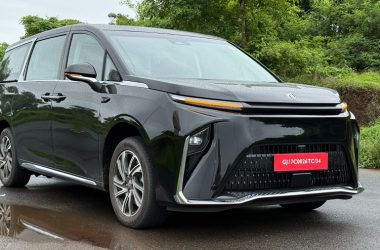
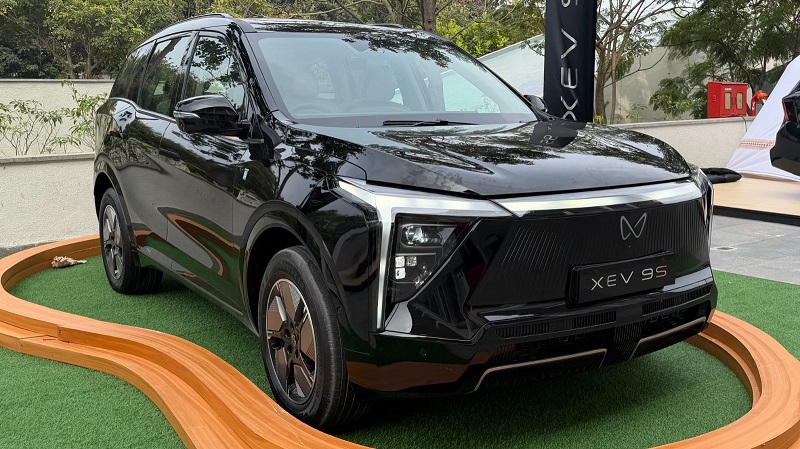
Electric passenger vehicles delivered the sharpest acceleration curve this year. Retail volumes surged to 1,76,817 units, clocking a massive 77.04% YoY growth. EV penetration in the PV segment doubled from 2.4% to ~4.0%, signalling that Indian buyers are now looking beyond “range anxiety” and focusing on “range appreciation.”
Two-Wheelers Keep Rolling
Electric two-wheelers continued their steady climb, retailing around 12.8 lakh units, growing 11.36% YoY, with an EV share of 6.3%. While the pace is calmer compared to PVs, the sheer scale ensures they remain the volume backbone of India’s EV story.
Commercial Vehicles: Small Base, Big Momentum
Electric commercial vehicles may still be warming up, but the direction is clear. 15,606 EV CVs were retailed in CY2025, registering a strong 54.2% YoY growth, with EV share improving to 1.55%. For a segment known for conservative buying decisions, that’s meaningful traction.
FADA President’s View
Commenting on the data, C. S. Vigneshwar, President, FADA, said:
“CY’25 clearly reinforces that India’s electrification journey is no longer a pilot—it is scaling, segment by segment. The decisive transformation in three-wheelers, the sharp rise in electric passenger vehicles, and visible momentum in commercial vehicles together underline that EV adoption is now driven by real-world economics and improving product choices. Going forward, sustained policy continuity, faster rollout of charging infrastructure, and inclusive retail financing will be critical to make EV adoption truly pan-India.”
The Road Ahead
The takeaway from CY2025 is simple: EVs in India are no longer asking for permission—they’re taking parking space. With better products, improving total cost of ownership, and growing consumer confidence, the shift from “Should I buy an EV?” to “Which EV should I buy?” has well and truly begun.
In short, India’s EV journey has moved from silent mode to full drive. And this time, there’s no looking back—only forward, preferably on electrons.