


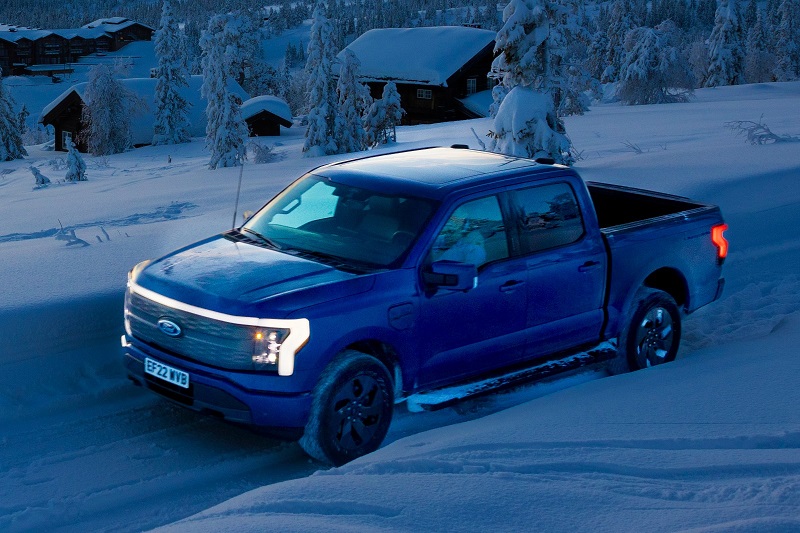
A car travels along a clear highway with light snow lining the roadside. Even in milder winter climates, preparation and maintenance are key to keeping vehicles safe and reliable.
As temperatures dip and frost dusts the ground, car owners in mild winter regions may feel relieved to avoid blizzards and sub-zero chills. But experts warn that light snow, occasional frost, and lower temperatures still pose challenges for vehicles. Even without extreme cold, prudent car care during a mild winter can prevent breakdowns and ensure safe driving. In areas with only sporadic snow and frost, drivers should focus on key maintenance tasks – from battery and tires to wipers and paint – and adjust driving habits for chilly, slick conditions. The following guide offers practical tips to keep your car in peak condition through a mild winter, organized by maintenance area.
Battery Care in Cooler Weather
A technician checks and replaces a car battery as part of winter maintenance. Cold weather can weaken older batteries, making it important to test and maintain them before trouble strikes.
Colder nights can strain your car’s battery, even if the mercury doesn’t plummet to arctic levels. A weak battery that barely copes in autumn might fail on a frosty morning. Have your battery tested if it’s over 3–4 years old or if you’ve noticed sluggish starts. Automotive technicians (or many auto parts stores) can check whether the battery and charging system are strong enough for winter. Replacing an aging battery in advance beats getting stranded with a dead car on a cold night. It’s also wise to carry jumper cables or a portable jump-starter in your trunk as a backup plan. To give your battery a fighting chance each day, make sure to turn off headlights, interior lights, and accessories when you shut off the car, and drive the vehicle regularly so the battery stays charged. In mild winters, you may not need an engine block heater, but keeping the battery terminals clean and tight and parking in a garage (if available) can help the battery perform its best.
Tire Pressure and Tread: Grip on Cold Roads
When the weather cools, tire pressure drops – roughly 1 PSI for every 10°F decrease. That means a chilly morning can trigger your Tire Pressure Monitoring System light or leave tires underinflated, hurting handling and fuel economy. Check tire pressure frequently in winter and inflate to the manufacturer’s recommended PSI to maintain optimal grip and efficiency. Underinflated tires not only wear faster but also impair safety on wet or icy roads.
Equally important is adequate tread depth. In mild snow or rain, worn tires increase the risk of skids and spinouts. Use the simple quarter test: insert a quarter into the tread with Washington’s head upside down – if you see the top of his head, the tread is too low and the tires should be replaced. For most mild-winter regions, dedicated snow tires aren’t usually necessary. Quality all-season tires in good condition are generally sufficient for light snow and frost. In fact, experts note that if snow and ice are rare in your area, you can likely stick with all-season tires year-round and stay safe. However, if you expect occasional moderate snow or plan mountain trips, consider all-weather tires (which carry a mountain snowflake symbol) as a compromise, or keep a set of tire chains handy for emergencies. Always ensure even tread wear by rotating your tires on schedule and replace tires in sets of four for balanced handling. Good tires with proper pressure will help your car maintain traction when those cold wet days arrive.
Wipers and Visibility
Clear vision is non-negotiable for winter driving safety. Your windshield wipers take a beating from rain, sleet, and road grit all winter long. In a mild winter climate, you might not battle heavy snow, but you’ll likely face drizzle, morning frost, or the occasional flurry – all of which demand effective wipers. Inspect your wiper blades: if they leave streaks, have cracked rubber, or are older than about a year, swap in new ones. Most windshield wiper blades should be replaced every 6 to 12 months as a rule. Winter or “all-season” wiper blades can be a smart upgrade if you expect any ice, as they are designed to resist snow buildup.
Don’t forget the washer system: top off your windshield washer fluid and use a winter-grade formula that won’t freeze in the reservoir or lines. A common winter mishap is finding your washer jets frozen when you need to clear salt spray off the glass. A freeze-resistant washer fluid (rated for sub-freezing temperatures) prevents cracked reservoirs and ensures you can wash the windshield in cold weather. Keep an ice scraper and a soft brush in the car to clear off any light snow or frost from the windows, mirrors, and lights before driving – even a small frosty patch can dangerously impair your view or others’ ability to see your car. Defrosters are equally vital: make sure your front and rear defogger systems are working properly so you can clear misted or icy windows quickly. If your car’s heater or defroster is underperforming (for example, blowing weakly or emitting strange odors), get it checked now – a well-functioning heater not only keeps you comfortable but also keeps the windshield clear of condensation and ice.
Under-the-Hood Checks: Fluids and Fuel
Colder weather can affect various fluids in your car, so a mid-winter checkup is wise. Start with the engine coolant (antifreeze): ensure the coolant is filled to the correct level and has the proper water-antifreeze ratio (typically 50/50). This mixture protects your engine from freezing down to extremely low temperatures; even though a mild winter isn’t Arctic, a 50/50 coolant mix guards against freeze-ups well below the freezing point of water. If you haven’t changed your coolant in a long time, have a technician test its freeze protection level – coolant that’s too diluted or old may not offer full protection. Also verify that your oil is filled to the right level and consider the oil’s viscosity: modern multi-grade oils usually handle mild winter temperatures fine, but if your area regularly goes below freezing, check your owner’s manual in case a slightly thinner oil is recommended for easier cold starts. Brake fluid, transmission fluid, and power steering fluid should all be checked or topped up as needed, since temperature changes can cause seals to contract and minor leaks to develop. Keeping fluids at proper levels helps all systems perform reliably on cold days.
One often-forgotten tip: keep your gas tank at least half full during winter. This isn’t just in case you get stuck on a lonely road; it also helps prevent condensation in the tank and fuel lines from freezing on cold nights. In mild winter geographies, simply having a fuller gas tank can avert fuel line freeze-ups without the need for special additives. Additionally, a fuller tank means more weight over the drive wheels, which can slightly improve traction in wet or slippery conditions. While at it, consider adding a bottle of fuel line antifreeze (isopropyl alcohol based) if your region has occasional sub-freezing snaps – but generally, fueling up before the gauge hits “E” will do the job. Finally, double-check that your engine air filter is clean (a dirty filter can make cold starts harder) and that all belts and hoses under the hood are in good shape – cold can exacerbate cracks or wear, and you don’t want a hose bursting on a chilly morning drive.
Paint Protection and Exterior Care
Your car’s exterior faces unique challenges in winter – even a mild one. Road crews in many mild-climate cities still use deicing salt or brine on roads during the few ice or snow events, and that can spell trouble for your car’s body and undercarriage. Deicing chemicals help prevent skids, but they also wreak havoc on metal, causing an estimated $3 billion in rust damage to cars annually in the U.S. To protect your vehicle, wash it regularly throughout the winter months, including the underside. If you drive through slushy or salted areas, try to rinse the undercarriage soon afterward to wash away corrosive salt deposits. Many car washes offer underbody washes – these can be worth it a few times in winter to prevent rust on the frame, brake lines, and exhaust.
Another smart step is to wax your car’s paint at the start of winter. A good coat of wax acts as a protective shield for up to three months, guarding the paint from snow, ice, and road grime. Even in a dry mild winter, UV rays and dust can dull your finish, so waxing helps there too. In dry winter climates (for example, some southwest regions), frequent dust can mix with dew or light rain and become a paint-abrasive grime – washing and waxing will protect the clearcoat from this gritty film. Also consider treating rubber door seals with a silicone protectant to keep them pliable; this prevents doors from sticking in frosty weather and maintains the seal against wet winter weather. Clean your lights and glass often as well – the darker winter months mean you rely on headlights more, so polish hazy headlight lenses and wipe down all windows/mirrors for maximum visibility. By mid-winter, you may notice a film on the inside of your windshield (from outgassing plastics or moisture); cleaning the interior glass will reduce glare from low winter sun and oncoming headlights. Overall, giving your car some cosmetic TLC through winter will preserve its look and value – and that protective care has safety benefits by keeping critical components (like lights and chassis) in top shape.
Interior Upkeep and Comfort
Winter can be tough on your car’s interior, too. We tend to track in water, slush, and salt on our shoes, which can wreak havoc on carpets and upholstery. To guard against the “winter mess” inside your car, use all-weather floor mats instead of carpet mats during the wet season. Rubber or vinyl mats have deep channels to trap water and mud; they won’t soak through, and they’re easy to clean. By switching to rubber mats, you prevent moisture from seeping into the carpet and foam padding, which can cause mold or lingering odors. It’s also a good idea to keep a small towel or cloth in the car to wipe your shoes or mop up spills. Whenever you have a reasonably mild, dry day, take a few minutes to vacuum the interior and wipe down surfaces. Regularly vacuuming and cleaning the seats and carpets will remove salt and dirt before they can stain or damage the fibers. Pay special attention to the driver’s footwell where most grime accumulates.
Keeping the interior clean isn’t just about appearance – it also contributes to health and safety. For one, winter dampness on mats can cause windows to fog more as that moisture evaporates into the cabin. Removing wet items and airing out the car on milder days will help reduce condensation. You should also sanitize high-touch surfaces (steering wheel, shifter, door handles) occasionally, since winter is flu season and those surfaces can harbor plenty of germs. Another maintenance item often overlooked is the cabin air filter. Replacing the cabin filter as winter begins ensures your heater blows fresh, clean air and your defroster isn’t recirculating dust. A fresh filter will help the HVAC system clear the windows faster and keep the interior air quality higher – important when you’ve got the windows up all the time in the cold. Lastly, make sure your heater is in good working order. On a mild winter morning it might only be a bit chilly, but a functioning heater and defroster are crucial for comfort and for keeping windshield frost at bay. If you notice the heater isn’t getting warm or the defroster air flow is weak, have it inspected before it fails completely. A comfortably warm, dry interior keeps the driver alert and prevents distractions like a foggy windshield or shivering passengers.
Smart Storage and Parking Tips
Not everyone drives their car every day. If you plan to store a vehicle for weeks or months during the winter (for example, an occasional-use car or a summer sports car), a few precautions will save you headaches come spring. First, clean your car thoroughly before storage – both exterior and interior. Any dirt or road salt left on the paint can corrode over time, and trash or food inside can invite odors or critters. Wash and wax the car, and when it’s dry, put on a high-quality car cover to shield it from dust and moisture. For the interior, vacuum the carpets and seats, and consider placing desiccant packs (moisture absorbers) inside to prevent mold or mildew in the closed cabin. It’s also wise to fill the fuel tank and add a fuel stabilizer before storing the car. A full tank prevents airspace that can cause condensation, and fuel stabilizer keeps gasoline from degrading over long periods (gas can start to go stale in just a month or two).
Next, take care of the tires and battery. Inflate the tires to the recommended pressure (tires lose a bit of air over time, especially in cold weather) or a few extra PSI – but do not exceed the tire’s max pressure. If the car will sit for more than a month, moving it slightly occasionally can help prevent flat spots on the tires. Some enthusiasts in long-term storage even place the car on foam boards or jack stands to take weight off the tires, but this may not be necessary for a mild-winter layup of a couple of months. As for the battery, either disconnect it or use a trickle charger (battery maintainer) to keep it from draining while the car sits. Modern cars have electronics that draw a tiny amount of power even when off, so a healthy battery can die in a few weeks of disuse. A float charger will maintain the charge without overcharging. If you do disconnect the battery, note that you may lose some radio presets or clock settings, but that’s a minor inconvenience compared to a dead battery.
Finally, think about where and how you park during winter. If you don’t have a garage, using a weatherproof car cover overnight can prevent frost buildup on your windshield and simplify your morning routine (no scraping needed). Just be sure the cover is secure so it doesn’t blow off. Avoid parking under trees if a freeze is expected – melting frost can drip sap or if a rare snow does fall, branches could drop debris. And if you’re leaving a car outside unused for a long stretch, check it periodically or have someone start it once in a while (unless it’s fully winterized and not meant to run) – not so much to “warm it up,” but to ensure everything remains in order and the car hasn’t become a nesting spot for rodents. A little preventive care in storing or intermittently using your vehicle will keep it ready to roll when you need it again.
Safe Driving Habits for Mild Winter Roads
Even with your car in top shape, driving in cold or slick conditions demands caution. Mild winter regions can lull drivers into a false sense of security – until a surprise frost or light snow makes the roads slippery. Here are some safe driving tips to remember whenever winter weather strikes:
- Slow Down and Keep Distance: On wet, icy, or frosty roads, reduce your speed and increase following distance. What is a normal 3–4 second gap on dry pavement should be stretched to 6 seconds or more on slick roads. This extra space gives you more time to react and brake gently if the car ahead suddenly stops. Remember, posted speed limits may be too fast for conditions – nobody will fault you for driving a bit under the limit during ice or snow.
- Avoid Sudden Movements: Quick acceleration, hard braking, and sharp steering can all cause a loss of traction on winter roads. Accelerate and brake gradually, and start turns slowly. If you need to stop on an icy road, begin braking sooner than you normally would and do so lightly to see how the car responds. In vehicles without anti-lock brakes, pump the brakes gently to avoid lock-up; with ABS, press and hold moderate pressure and let the system work.
- Beware of Black Ice: Black ice is a thin, nearly invisible layer of ice that often forms on bridges, overpasses, and shaded areas of the road, sometimes when the pavement just looks wet. In a mild winter, black ice can catch you by surprise on an otherwise clear day – for instance, after a light overnight freeze. Use extra caution on bridges and ramps; they freeze before regular roads and thaw last. If you notice the road spray from cars in front of you suddenly stops on a cold, wet day, that could signal ice forming ahead.
- No Cruise Control on Slippery Roads: Turn off cruise control when roads might be icy or wet. If your car starts to slide, cruise control will maintain speed and can make skids worse. You want full manual control of acceleration in slick conditions.
- Know How to Handle a Skid: Despite precautions, you might hit a slick spot and feel the vehicle begin to skid. It’s crucial not to panic. Do not slam on the brakes. Instead, steer gently in the direction you want to go – which typically means if the rear of your car is sliding left, turn your wheel left to counter-steer and straighten out. Keep your eyes on where you want the car to end up, and as traction returns, you can regain control. It may feel counterintuitive, but easing off the pedals and gently steering is the best way to recover from a slide.
- Be Prepared: Even in a mild winter climate, it pays to carry a basic winter emergency kit in your car. Include items like a flashlight, blanket, gloves, ice scraper, some sand or kitty litter (for traction if you get stuck), and some snacks and water. Hopefully you’ll never need them on a quick drive around a light-snow town, but if your car does get stuck or you face an unexpected road closure, you’ll be glad to have supplies. Also keep your cell phone charged and a charger in the car whenever you head out on cold days. And as mentioned earlier, always keep the gas tank at least half full in winter – not only can it prevent fuel-line freeze, it ensures you have enough fuel to run the engine (and heater) if you’re ever stranded for a while.
By following these safe driving practices, you can significantly reduce the risk of accidents when roads turn slippery.
A mild winter may spare you the worst of snowstorms and deep freezes, but it’s no excuse to ignore winter car care. Your vehicle will reward a little extra attention – from the battery under the hood to the tires on the pavement – with reliable performance all season long. By maintaining your car and adjusting your driving habits to the season’s demands, you’ll stay safe on the road and avoid costly problems. Winter weather, even the mild kind, can be unpredictable; with proper care and caution, you and your car will be ready for whatever Mother Nature throws your way. Stay warm, drive safely, and enjoy the journey this winter.