



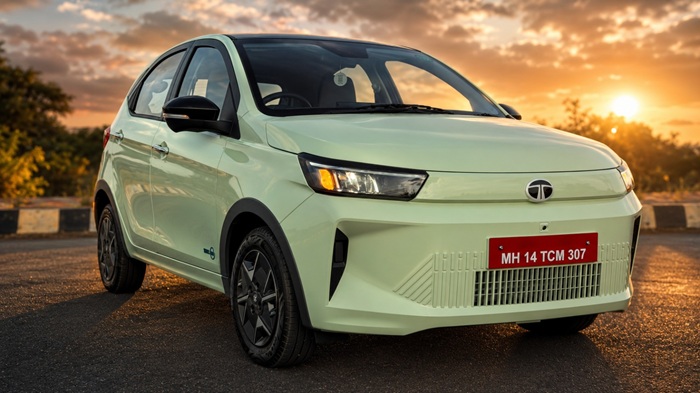
Mumbai: Tata Motors Passenger Vehicles Ltd. (TMPV) will increase prices across its passenger vehicle portfolio by up to Rs 25,000 from September 1, 2026, as the automaker looks to partially offset rising input costs and sustained inflationary pressures.
The price revision will apply to both internal combustion engine (ICE) vehicles and electric vehicles (EVs), the company said on Friday. The exact increase will vary depending on the model and variant rather than being applied uniformly across the range.
TMPV said it has continued to absorb a significant portion of higher costs but will now pass part of the impact on to customers through the latest adjustment.
“This price revision is being undertaken to partially offset the impact of rising input costs and sustained inflationary pressures,” the company said.
The automaker added that the extent of the increase has been structured to maintain the overall value proposition of individual models. In practical terms, buyers will need to check the revised price of their chosen variant after September 1 rather than simply adding Rs 25,000 to every Tata vehicle on the configurator.
The announcement covers Tata Motors Passenger Vehicles’ entire portfolio of cars and SUVs, including its conventional petrol and diesel-powered models as well as its growing electric vehicle range.
Price revisions have become a familiar tool for automakers dealing with changes in material, component and other operating costs. In Tata Motors’ case, the company has attributed the latest increase specifically to rising input costs and continuing inflationary pressure.
For customers considering a Tata car or SUV, the September 1 effective date makes the timing of a purchase more relevant, although the actual financial impact will depend on the model and variant selected.
The latest revision underlines the continuing cost pressures facing India’s passenger vehicle industry, where manufacturers are attempting to balance higher production expenses against keeping new vehicles competitively priced. For buyers, meanwhile, even modest increases can matter in a market where every few thousand rupees can influence the final variant — and sometimes the final buying decision.