

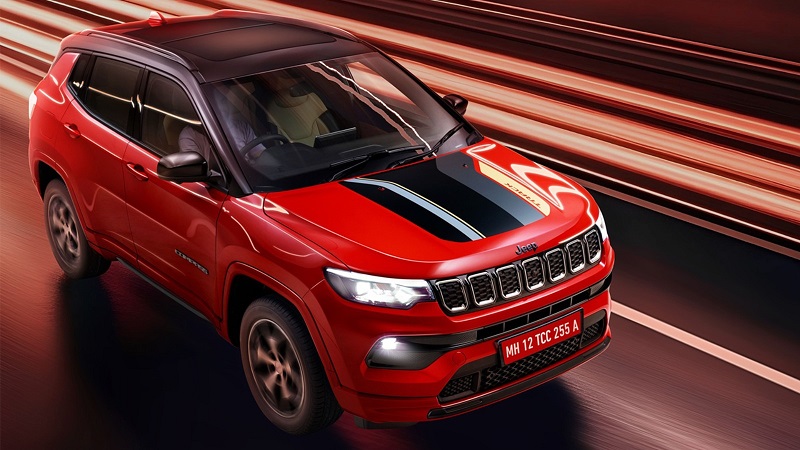
Pune – Jeep, the iconic SUV brand that has been conquering mud, mountains and occasionally mall parking ramps for over 85 years, has doubled down on its commitment to India with the announcement of Strategic Plan Jeep 2.0. The new roadmap puts India at the heart of Jeep’s Asia Pacific strategy, with a clear focus on stronger products, deeper localization, a more confident ownership experience, and turning India into a global export powerhouse.
In simple terms: Jeep isn’t just visiting India anymore – it’s planning to stay, build, export, and invite the world for a ride.
Anchored around localization, customer-driven product actions, a reinforced aftersales ecosystem, and export leadership, Jeep 2.0 reflects a phased and sustainable growth strategy. India will continue to serve not just as a domestic market, but also as a critical engineering, manufacturing and software hub for Stellantis’ global operations.
Shailesh Hazela, CEO & Managing Director, Stellantis India, summed it up perfectly:
“Jeep’s 85-year legacy is built on authenticity and adventure. Strategic Plan Jeep 2.0 sharpens our product strategy and strengthens customer experience through deeper localization, global alignment and ownership programs that deliver real value. We are investing with long-term clarity so Jeep remains a brand of pride and desirability in India.”
The Six-Pillar Jeep 2.0 Strategy (No, Not Suspension Pillars)
1. India at the Core of Asia Pacific Strategy
India will play a central role in designing, developing and manufacturing Jeep vehicles – not only for Indian roads, but also for markets across Asia Pacific and beyond. Think “Made in India, driven worldwide.”
2. Authentic Global Lineup with Indian Touch
Jeep will continue investing in its legendary nameplates, with new product introductions expected from 2027 onwards. Until then, special editions and refreshed models will keep the showroom buzz alive – because even legends need occasional makeovers.
3. Export Leadership from Ranjangaon
Since 2017, Jeep has been exporting the Compass from its Ranjangaon plant. Today, models like Compass, Meridian and Commander are shipped to Japan, Australia and New Zealand, with future plans to expand exports to Africa and North America. Yes, your neighbour’s Jeep could soon have cousins in three continents.
4. Deep Localization – Targeting 90%
Jeep aims to increase localization from the current 65–70% to 90%, making India one of its most cost-competitive and resilient manufacturing bases globally. Translation: more Indian suppliers, stronger supply chain, and fewer “sorry, part is on backorder from Europe” moments.
5. Building a 1 Lakh Strong Jeepers Community
Jeep’s passionate owner base is set to grow into a 100,000-strong “Jeepers” fraternity, powered by Jeep Clubs, Camp Jeep and Jeep Trails. It’s less about owning a car and more about owning a lifestyle – preferably one that involves dirt, hills and Instagram stories.
6. Ownership Confidence – Confidence 7 Program
Under its Confidence 7 initiative, Jeep is enhancing customer trust with programs like:
- Pre Maintenance Program
- Jeep Assured Buyback
- Multi-year Extended Warranty
- Confidence 7 Exclusive loyalty program
In short, Jeep wants customers to worry more about weekend road trips and less about service bills.
Strong Network, Stronger Presence
Jeep India currently operates in 70 cities with over 85 sales and service touchpoints, and continues to explore further expansion. Alongside physical growth, the brand remains focused on immersive experiences that celebrate adventure, capability and exploration.
2025: A Year of Momentum
The transition year of 2025 wasn’t exactly quiet either. The Wrangler Willys 41 Edition sold out in just 7 days, while the Grand Cherokee Anniversary Edition reminded everyone that heritage never goes out of style.
With over 1 lakh Jeep owners already on Indian roads, Jeep India is now positioning itself as not just another SUV brand – but as one of the most authentic and globally connected automotive communities in the country.
Or as Jeep 2.0 subtly suggests: India is no longer just on the map – it’s driving the route.