

India’s electric vehicle market continued its energetic sprint in April 2026, with fresh retail data from FADA revealing strong growth across electric passenger vehicles, three-wheelers, and commercial vehicles. From Tata Motors defending its EV crown to Mahindra quietly dominating the electric three-wheeler battlefield, the country’s EV transition seems to be moving from “future plan” to “daily commute reality.” And yes, charging stations are now becoming almost as common as tea stalls on highways.
Electric Passenger Vehicles: Tata Still Leads, But VinFast and Maruti Enter the Chat
India’s electric passenger vehicle (PV) retail market recorded 23,506 units in April 2026, registering a healthy 75.14% year-on-year growth and a 4.52% month-on-month rise. EV penetration in the passenger vehicle segment climbed to 5.8%, up from 3.7% in April 2025.
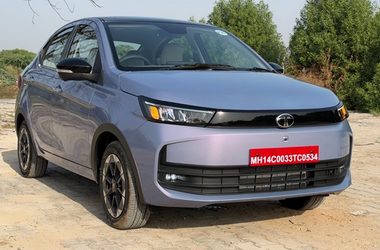
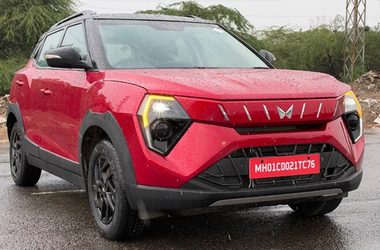
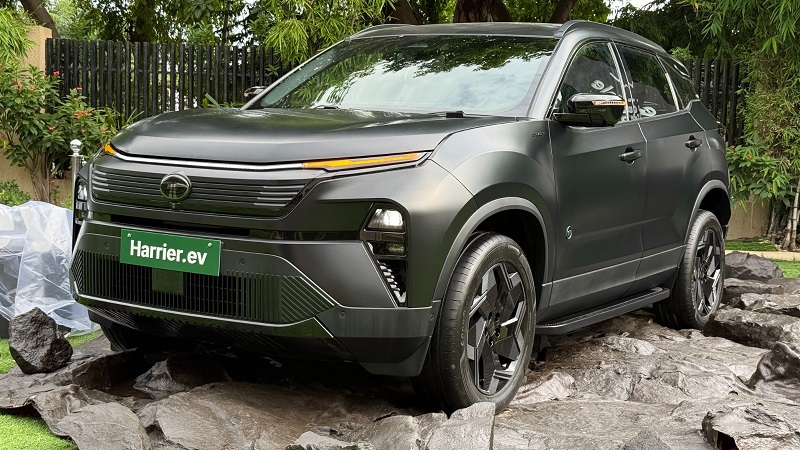
Tata Motors Passenger Vehicles Ltd continued its dominance with 8,543 units retailed, posting 77.17% YoY growth. Mahindra & Mahindra followed with 5,413 units and 63.98% growth, proving that the company’s electric SUV push is steadily gaining traction.
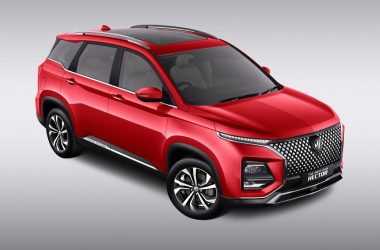
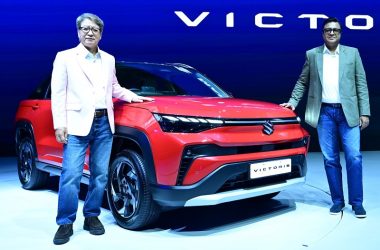
JSW MG Motor India secured third place with 5,006 units, while VinFast Auto India made an eye-catching debut with 1,232 units. Maruti Suzuki India also entered the EV scoreboard strongly with 1,231 units, suggesting India’s largest carmaker is finally warming up to the electric party after watching from the sidelines for years.
Hyundai Motor India retailed 516 EVs, though volumes dipped compared to last year. BYD India posted steady growth with 469 units, while Kia India saw an explosive 905.88% YoY rise with 342 units.
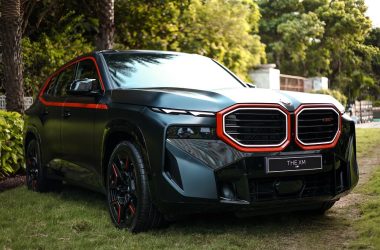
Luxury EV brands also remained active, with BMW India retailing 300 units and Mercedes-Benz posting 104 units.
Electric Three-Wheelers: Mahindra’s Last-Mile Empire Expands
The electric three-wheeler segment remained India’s biggest EV volume contributor, recording 64,549 units in April 2026, up 3.30% YoY. EV penetration in the 3W market stood at a massive 60.4%, meaning more than half the three-wheelers sold are now electric. At this point, the familiar “putt-putt” sound of old auto-rickshaws may soon become a nostalgic ringtone.
Mahindra Group led the segment with 10,292 units, registering a strong 82.71% YoY growth. Most of this came from Mahindra Last Mile Mobility Ltd, which alone retailed 10,269 units.
Bajaj Auto retained second position with 9,725 units and 76.53% growth, while TVS Motor Company emerged as one of the fastest-growing players with 3,046 units and a sharp 152.36% YoY increase.
YC Electric Vehicle, once among the stronger players, witnessed a steep decline of 42.60%, while Piaggio Vehicles maintained stable momentum with 1,181 units.
Interestingly, smaller and regional electric mobility players continue to contribute meaningful volumes, showing that India’s EV market is not just a battle of giant automakers anymore.
Electric Commercial Vehicles: Tata Motors Keeps the Trucks Rolling
The electric commercial vehicle (CV) segment may still be relatively small, but it delivered one of the strongest growth stories of the month.
Electric CV retail sales stood at 2,245 units in April 2026, surging 148.9% YoY, although volumes declined 8.70% compared to March 2026. EV penetration in the commercial vehicle segment improved to 2.26%, more than double the 1.04% recorded a year ago.
Tata Motors led the segment with 799 units and a remarkable 201.5% YoY growth. Euler Motors followed with 518 units and a staggering 1,263.2% YoY jump, making it one of the standout performers in the commercial EV space.
Mahindra Group retailed 285 units, while Switch Mobility recorded 144 units despite a monthly decline. Tivolt Electric Vehicles posted one of the strongest percentage gains at 822.2% YoY.
JBM Auto and Pinnacle Mobility Solutions also remained active in the electric bus and fleet ecosystem, indicating that commercial electrification is gradually expanding beyond pilot projects into real fleet adoption.
India’s EV Momentum Continues to Build
The April 2026 FADA retail data highlights a clear trend — India’s EV ecosystem is no longer dependent on a single segment or manufacturer. Passenger EVs are expanding steadily, electric three-wheelers are already mainstream, and commercial EVs are finally beginning to scale meaningfully.
Traditional automakers are strengthening their EV portfolios, startups are still finding room to grow, and new global entrants are adding fresh competition. Consumers, meanwhile, appear increasingly comfortable swapping fuel pumps for charging plugs — though many still secretly pray the charger works on the first attempt.
With government incentives, expanding charging infrastructure, and growing product variety, India’s electric mobility journey seems firmly plugged in for the long run.