

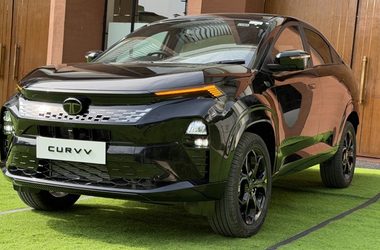
New Delhi – In what can only be described as a fiscal traffic jam, the 56th GST Council meeting has changed the toll gates of taxation for India’s auto industry, effective 22nd September 2025. From small cars to mighty SUVs, everyone is now driving under freshly painted GST speed limits.

Small Cars Breathe Easy
For India’s favourite hatchbacks and compact sedans – those little 1200 cc (petrol/LPG/CNG) and 1500 cc (diesel) chariots under 4 metres – GST has been reduced from 28% to 18%. Finally, a case where “small is beautiful” is not just a phrase but also a tax-saving measure. Maruti Alto and Hyundai i10 owners can now brag not only about mileage but also about their car’s patriotic contribution to GST reform.
SUVs: Luxury With a Hefty Price Tag
On the flip side, mid-size and large cars – especially SUVs, MUVs, MPVs, XUVs, and anything with a ground clearance of 170 mm that can jump over a Delhi speed breaker without scraping – will now face a flat 40% GST. With no compensation cess to cushion the blow, buying a big SUV is officially as expensive as hosting a Big Fat Indian Wedding.
Relief for the Wheels of Bharat
The humble three-wheeler (HSN 8703), previously taxed at 28%, is now down to 18%. For lakhs of auto-rickshaw drivers, this is not just good news – it’s practically a horn-honking festival.
Large passenger carriers (HSN 8702) like minibuses and buses also roll into the 18% lane, alongside trucks, lorries (HSN 8704), and even ambulances – because nobody wants to haggle over GST while saving lives.
Farmers’ Favourite – The Tractor
Tractors, except the muscle-bound road tractors for semi-trailers, will enjoy a GST rate of 5%. For the bigger brutes (engine capacity above 1800 cc), the rate is 18%, down from 28%. The Council explained that fully exempting tractors would hurt producers, as Input Tax Credit would vanish like monsoon discounts – leaving costs to farmers. So, this is a “half subsidy, half logic” decision.
A Balancing Act
The government stressed that the reforms balance affordability with industry sustainability. As one Council member quipped (off the record): “Small car buyers will smile wider, farmers will plough happier, but SUV buyers… well, let’s just say they’ll be paying a GST so high, their car’s sunroof will need a financial advisor.”
With this, India’s GST regime on vehicles has drawn clearer lines: small and necessary mobility gets relief, while indulgent road royalty pays its share. Come September 22, the Indian automobile market won’t just be changing gears—it will be changing tax brackets.