
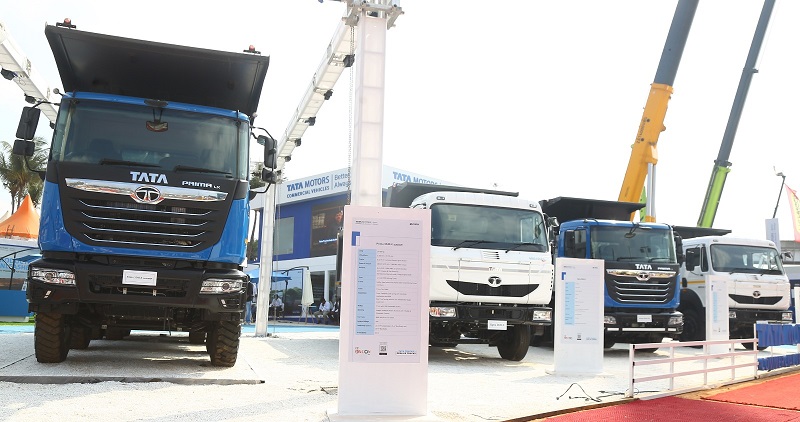
Mumbai: If you thought only your grocery bill was getting heavier, India’s trucks and buses are joining the club too. Tata Motors Limited has announced a price increase of up to 1.5% across its commercial vehicle portfolio, effective from April 1, 2026.
The move, as expected, comes in response to rising commodity prices and escalating input costs—because apparently, even steel and rubber have decided to follow inflation trends this year. The company clarified that the hike will vary depending on the model and variant, meaning some fleet owners may feel a slight pinch, while others might need a slightly stronger cup of chai to digest it.
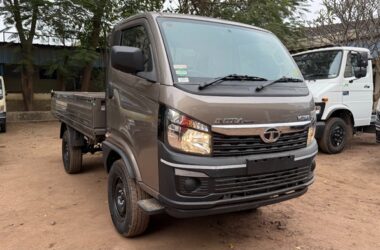
Tata Motors, a key pillar of the USD 180 billion Tata Group, has long been the backbone of India’s commercial mobility ecosystem. From last-mile delivery vans navigating narrow city lanes to heavy-duty trucks hauling goods across highways, the brand’s vehicles quite literally keep the country moving—sometimes faster than your internet connection on a rainy day.
With over eight decades of experience, Tata Motors continues to focus on innovation, offering advanced powertrains, connected vehicle technologies, and intelligent fleet solutions. Its commercial vehicle lineup caters to a wide spectrum of applications including logistics, infrastructure, and public transportation—essentially everything that keeps India’s economy on wheels.
The company also highlighted its ongoing transformation under the “Better Always” philosophy, emphasizing sustainable growth and enhanced customer experience. In simpler terms: smarter trucks, greener tech, and hopefully, fewer breakdown stories for fleet operators.
This latest price revision follows the industry-wide trend where automakers are recalibrating pricing strategies to balance rising costs while maintaining product value. For buyers planning to expand their fleets, the message is clear—March might just be the best time to lock in those deals before April brings a slightly heavier invoice.
As India’s roads get busier and logistics demand continues to grow, Tata Motors remains firmly in the driver’s seat—just with a slightly updated price tag.