New York — Hyundai Motor Company decided to mix Wall Street precision with Broadway drama at its first-ever CEO Investor Day held outside Korea, and the result was a show that left investors clutching their notepads with excitement. The company rolled out its boldest blueprint yet — a 2030 Vision that promises everything from a global production surge to the first electric vehicle designed specifically for Indian drivers.
Big Picture, Bigger Battery
Speaking in New York, José Muñoz, Hyundai Motor Company’s President and CEO, made it clear that the automaker isn’t here to just sell cars — it’s here to redefine mobility.
“It’s a great time to be with Hyundai,” he declared, casually dropping phrases like “software-defined vehicles” and “next-generation batteries” as though he was ordering off a menu. Investors, meanwhile, nodded furiously, probably wondering if they should ask for seconds.
Hyundai’s strategy revolves around electrified portfolios across every segment, localized manufacturing muscle, and the kind of technology flex that makes competitors sweat.
Namaste, India!
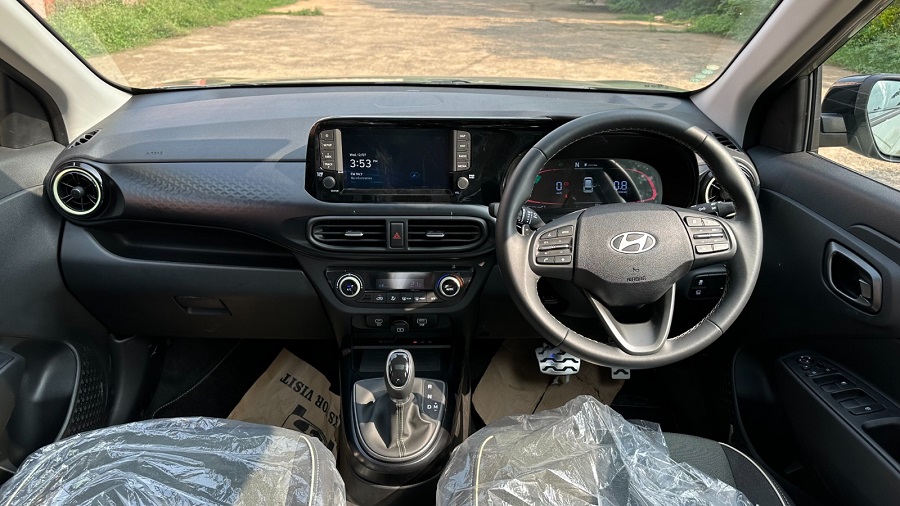
For India, the headliner is big: the country’s first EV designed locally. Not an import, not a badge job, but something tailored to Indian roads, traffic, and… occasional pothole that looks like a crater. With a localized supply chain to back it, Hyundai is ensuring that this isn’t just a concept car for auto shows — it’s for everyday drivers who want their EV to survive both summer heat and wedding-season processions.
Global Gameplan: More Cars, More Charge
By 2030, Hyundai aims to boost production capacity by a cool 1.2 million units, because apparently the world just can’t get enough of them. The breakdown reads like a global buffet:
- 500,000 extra units from Hyundai Motor Group Metaplant America (HMGMA)
- 250,000 units from a brand-new Pune multi-model export hub in India
- 200,000 units from a dedicated EV plant in Ulsan, Korea
That’s not just growth — that’s Hyundai leaving “scarcity” in the rearview mirror.
Investors, Buckle Up
From software smarts to production surges, Hyundai’s roadmap feels less like a strategy document and more like a blockbuster screenplay. Investors walked out reassured, journalists walked out impressed, and competitors probably walked out to immediately call their R&D teams.
As Hyundai puts it: the future is electric, connected, and decidedly Hyundai. And for India, the road to EV glory finally has a “Made-for-India” stamp.