
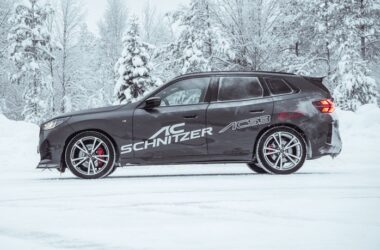
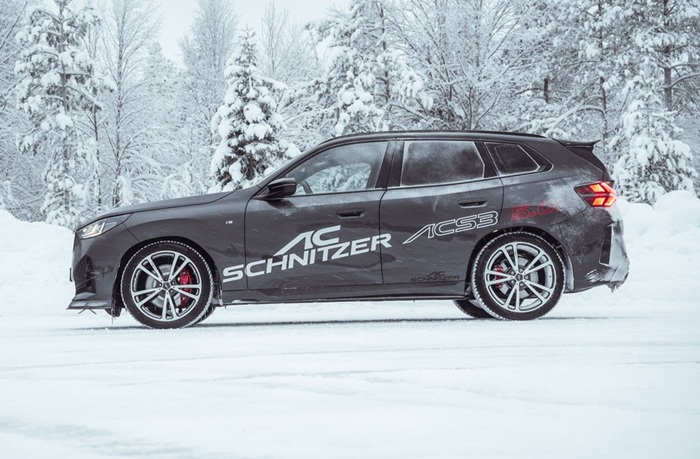
In a development that has sent ripples across the global automotive enthusiast community, legendary German tuning house AC Schnitzer has announced plans to cease operations by 2027. Known for turning already fast BMWs into something that could politely embarrass supercars at a traffic light, the brand is now preparing for its final lap.
The decision comes from its parent, the KOHL Group, which will formally exit the tuning business by the end of 2026. Going forward, the group plans to shift its focus entirely toward retail and service operations for vehicles and motorcycles, leaving behind a legacy that petrolheads have admired for decades.
Calling it a “rational decision regarding an emotional brand,” AC Schnitzer’s Managing Director, Rainer Vogel, acknowledged that the move wasn’t easy. After all, this is a brand that has become almost synonymous with sporty driving—especially if your idea of “subtle modification” includes aggressive aero kits and wheels that look like they could slice through air (and maybe your savings account).
The reality, however, is less glamorous. Rising development and manufacturing costs in Germany have steadily eroded competitiveness. Add to that the notoriously long approval timelines for aftermarket parts—sometimes delaying launches by eight to nine months compared to international rivals—and the business case begins to wobble faster than a rear-wheel-drive BMW in the rain.
On the demand side, things aren’t exactly rosy either. Changing consumer behavior, a cooling global economy, volatile exchange rates, tariffs in key markets like the United States, and the gradual shift away from internal combustion engines have all combined into what can only be described as a perfect storm. Even suppliers have not been immune, with disruptions further complicating operations.
Interestingly, while tuning culture still draws massive crowds at global auto shows, the perception of aftermarket modification has taken a hit. Often portrayed as flashy or excessive, it hasn’t quite captured the imagination of younger buyers the way it did for previous generations. As Vogel candidly noted, inspiring the next generation of enthusiasts has proven more challenging than expected.
That said, this isn’t an abrupt goodbye. The KOHL Group is currently in discussions with potential buyers interested in acquiring the AC Schnitzer brand. Whether the badge finds a new home or not, fans still have a final opportunity to own a piece of tuning history. Existing inventory—including engine upgrades, exhaust systems, suspension kits, aerodynamic components, and those unmistakable forged wheels—will be sold through the end of 2026.
And in a reassuring move for loyal customers, the company has confirmed that warranties and after-sales support will continue beyond the shutdown timeline. So yes, your tuned BMW won’t suddenly forget how to behave just because its creator is signing off.
For now, as the automotive world marches toward electrification and stricter regulations, AC Schnitzer’s story serves as a reminder of a louder, wilder era—one where performance wasn’t just engineered, it was exaggerated with style. And if cars could talk, many BMWs would probably say, “Danke, Schnitzer… that was one heck of a ride.”